
Language

Encourage critical thinking, empathy, and a love of reading with this comprehensive Banned Books Classroom Resource Kit for Grades 4–8! Perfect for Language, Social Studies, and cross-curricular lessons, this kit empowers students to explore the history of censorship, the reasons books are challenged, and the importance of freedom of expression.
Inside, teachers will find:
Picture Book & Chapter Book Lists: Curated selections of banned and challenged texts, complete with reasons for challenges and classroom discussion points.
Research Station Sheets: Ready-to-use student sheets for independent or group exploration.
Debate & Discussion Guides: Role cards, persuasive prompts, and reflection questions to spark meaningful dialogue.
Cross-Curricular Connections: Ties to Language (reading, writing, oral communication, media literacy), Social Studies (equity, rights, and history), and Health (identity, empathy, and respectful relationships).
Culminating Projects: Persuasive letters, posters, or creative media projects that let students defend their favorite banned books.
Whether you’re introducing students to controversial texts, encouraging thoughtful discussion, or exploring freedom of expression, this resource provides everything you need for a dynamic, hands-on unit that engages Grades 4–8 learners.
Perfect for:
Novel studies and literature circles
Read-alouds and discussion starters
Critical thinking and persuasive writing lessons
Social justice and equity units
Empower your students to think, discuss, and defend ideas—because every book deserves a chance to be read!

Imagine your students lighting up as they realize how awesome their everyday lives really are—from finding a hoodie with a front pocket to hearing their favourite song at the perfect moment. Inspired by Neil Pasricha’s The Book of Awesome, this engaging slideshow and workbook will guide your students in writing their own personal Book of Awesome—a celebration of all the little moments that make life brighter.
📚 What’s Inside:
A teacher-ready slideshow to introduce the idea of finding joy in the small things, with examples straight from Pasricha-style awesome moments
A thoughtful, student-friendly workbook to walk learners through brainstorming, drafting, and publishing their very own Awesome entries
Optional prompts and templates to turn their writing into a keepsake personal book—or combine entries to create a collaborative Class Book of Awesome!
🎯 Why This Resource Works:
Boosts student voice, reflection, and descriptive writing
Builds gratitude and positive mental health through writing
Low-prep and easy to integrate into ELA, SEL, or morning work
Flexible for individual use, buddy writing, or a whole-class celebration
Let your students become authors of their own awesome stories—and watch them start to notice and appreciate the tiny moments that matter most.
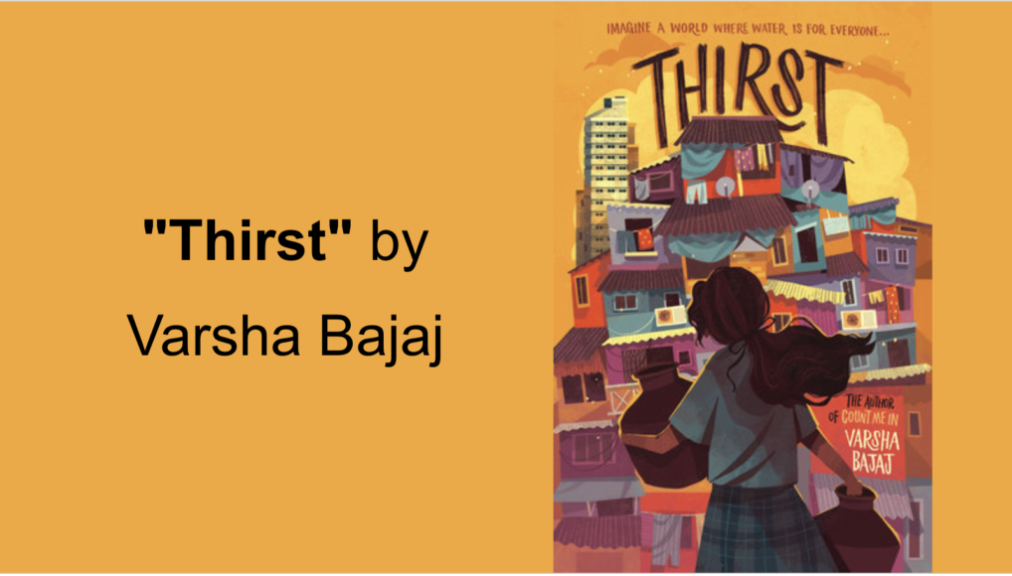
This year my class will be reading Thirst by Varsha Bajaj. I read the book and created a slide show of journal prompts and activities for my students to learn about. I also created a Quizizz that students can learn about Mumbai and some terminology they will need throughout the book.
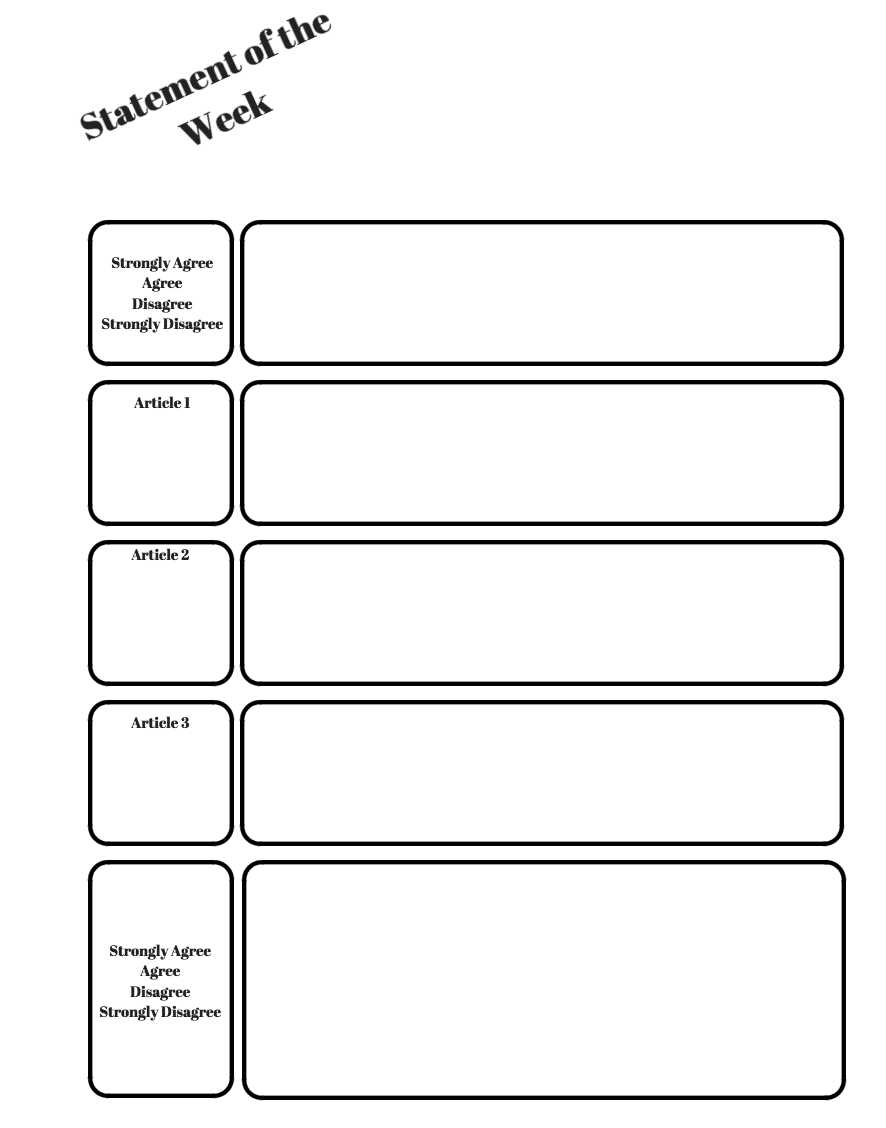
Something I really want to do better in my classroom is having respectful, thoughtful and passionate discussions about many varied topics. One way I want to do this is by having a Statement of the Week.
So each week you introduce a statement such as ‘Zoos are awesome’ or ‘Students should have to wear uniforms’ and based on the statement, your student have to go to one of the 4 corners. Each corner will be labeled with a piece of paper that says Strongly Agree, Agree, Disagree, or Strongly Disagree. In their corners they will discuss with the other students in that corner why they feel that way about the topic. They will go back to their desks and circle their point of view and write why they feel that way.
Then for the week, Tuesday, Wednesday and Thursday you read articles based on the statement with differing points of views. Each day your students will write down the name of the article and the key ideas in that article.
Friday, the students need to evaluate their initial viewpoint and then analyze their key learnings from each article. Then they need to choose a final viewpoint and defend why they are keeping the same point of view or why they changed it. Then they will have a discussion where they try to convince the other corners that their corners are right. Then they will have to fill in the sheet on their final verdict.
I have added a option of a pro and con list on the back so that if the students are stuck on their options, they can use that to decide which point of view is correct.
To find the best articles, use Newsela. Newsela is a site that has tons of articles on different subjects and can be sorted by age range and language. You can find an article about your statement and then choose Lexile levels to suit your students reading levels. This way you can differentiate easily but all your students will still be able to participate on the same statement.